Navigating the Journey: Empowering Cancer Patients with Knowledge, Support, and Innovative Treatments
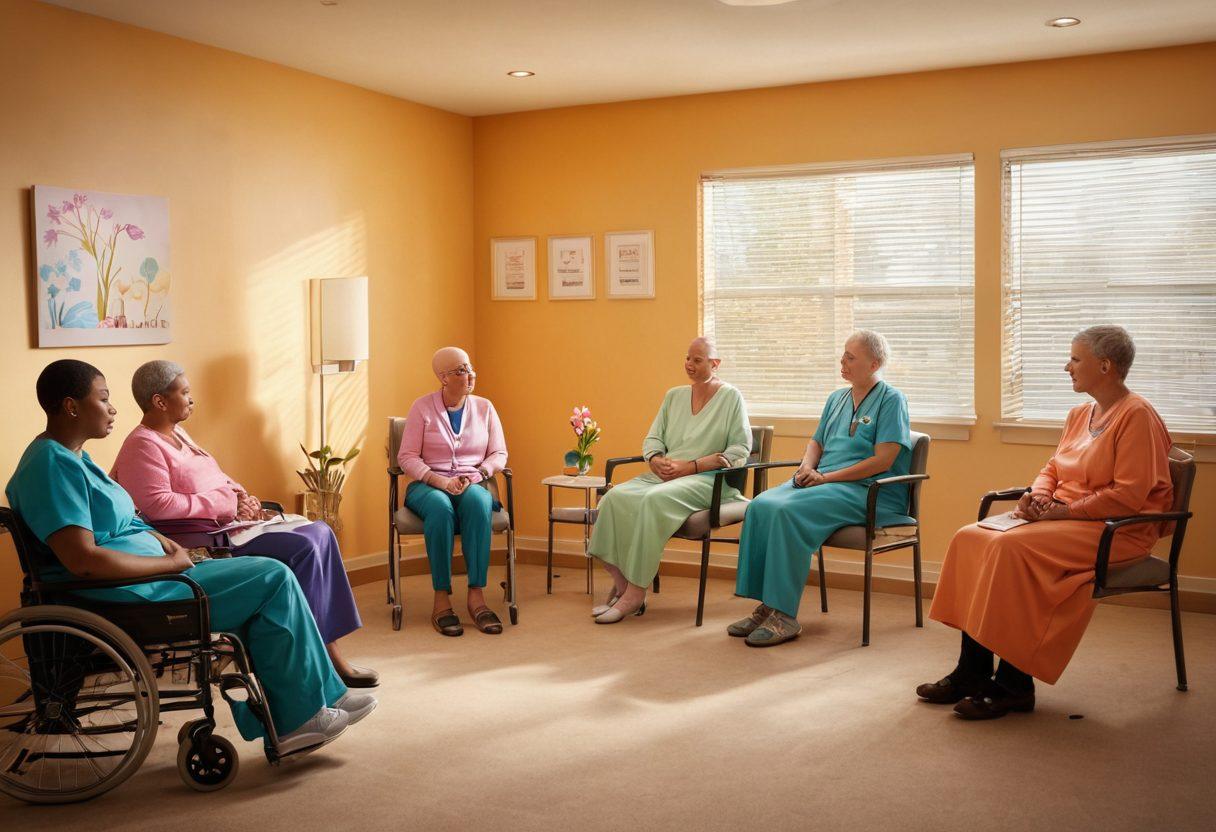
In a world where cancer has unfortunately become a common adversary, it's essential to shed light on how modern health technology is reshaping cancer care. Think of the journey of a patient diagnosed with carcinoma—the confusion, the fear, the endless research for information. Now imagine that same patient connected to a robust network of oncology specialists and advanced medical equipment that gives them access to groundbreaking therapies. Technology is not just a convenience; it is a lifeline that transforms frightening realities into manageable conditions. How can we harness these advancements for better patient care and emotional wellness?
With each new breakthrough in health technology, the landscape of cancer treatment is evolving. Gone are the days when a diagnosis of malignancy meant a bleak prognosis. Today, innovative treatments like targeted therapy and immunotherapy are paving the way for more personalized cancer care. A recent study insists, "The future of oncology lies in treating the individual, not just the tumor.", which summarizes how precision medicine can improve outcomes. Have you ever wondered how your own lifestyle changes can interact with these advanced treatment options to create a holistic approach to wellness?
Clinical trials are no longer just a last resort; they are a beacon of hope for many. The importance of patient advocacy and public awareness regarding these clinical research opportunities cannot be overstated. It's crucial for patients and families to explore available community resources that can guide them towards the latest advancements in medicine. Engaging in cancer support networks can help foster the emotional courage needed to explore these options. Are you or someone you know considering participation in a clinical trial?
While focusing on treatment, we cannot afford to overlook the necessity of side effects management. Every therapy comes with its challenges, and therefore, patients need access to comprehensive health education. Innovative medications and palliative care strategies are crucial not just for survival but for maintaining a high quality of life. By emphasizing nutrition, emotional support, and integrative health, we can smooth out the rough edges of the cancer journey. Can you picture what your ideal cancer care experience would look like?
Lastly, survivor stories are not just tales of triumph; they are invaluable resources. They remind us that every journey is unique and often filled with twists and turns. The sharing of these accounts increases public awareness and inspires hope. When combined with proactive health screenings and early detection, we have a powerful recipe — one that not only treats but also empowers. How can we, as a community, keep the conversation alive and ensure that innovative treatments continue to reach those who need them most?
Building Strong Support Networks: The Importance of Community Resources for Cancer Patients
In the labyrinth of cancer treatment, where fear and uncertainty often overshadow hope, building strong support networks becomes a compass for both patients and their families. Imagine stepping into a world fraught with medical terminology—oncology, malignancy, carcinoma—each a reminder of the journey ahead. Yet, amidst this storm, a flicker of optimism ignites when patients discover that they are not alone. Community resources, whether through cancer support groups or local healthcare initiatives, provide not just information, but also that essential emotional support that can transform a daunting process into a manageable experience. How do we navigate this complex terrain together?
It's not just about the clinical aspects of cancer treatment that pertain to medication and therapies; it’s about fostering connections that promote wellness and healing. The power of human connection can never be underestimated. Survivor stories inspire hope, educating others on the possibilities of overcoming chronic illness. As various health technologies and clinical trials emerge, sharing knowledge through community resources enhances public awareness and offers patients insights into the latest advancements in medicine. Could these shared experiences be the backbone of effective patient care and advocacy in the face of a cancer diagnosis?
Consider this: in a world where cancer is often seen as a solitary battle, community resources are the lifeline that brings together a diverse collective of individuals striving for the same goal—wellness. These support networks offer vital health education, allowing patients to understand their pathology, the nature of their tumors, and the importance of early detection and screening. Furthermore, lifestyle changes and nutrition play crucial roles in cancer treatment options. Engaging with others who are navigating similar paths can bolster not only knowledge but also empower patients to take charge of their health journey. Think about the last time you felt empowered—didn’t it stem from your connections with others?
Integrative health focuses on treating the whole person. While medical equipment and innovative therapies address the physical symptoms of cancer, emotional support stands as a formidable pillar in the cancer treatment landscape. Community resources facilitate this emotional support through counseling services, support groups, and wellness programs that teach side effects management and palliative care. These are invaluable, particularly when patients are grappling with the complexities of chronic illness. As we delve deeper, what if building community networks became a standard part of cancer care?
In the realm of cancer treatment and patient advocacy, the importance of community resources cannot be overstated. They act as not only a source of information but as a warm embrace in a cold, medical world. By creating awareness and providing direct support, we can transform the experience of cancer patients from one of isolation to one of solidarity. Every interaction, every story, every shared resource has the potential to uplift and empower. As we continue to advocate for better healthcare and support systems, let us remember that we hold the keys to building inclusive and robust support networks—because no one should have to navigate their journey through cancer alone.
From Awareness to Advocacy: Empowering Patients with Essential Knowledge and Emotional Support
Cancer can often feel like an insurmountable mountain, filled with uncertainty, fear, and overwhelming questions. Each diagnosis is unique, and the path through treatment can be a complex maze of medical jargon and emotional upheaval. Yet, amid the shadows of malignancy, there exists a powerful light: knowledge. Awareness isn't just about recognizing the signs of cancer; it's also about understanding the intricacies of oncological care and the importance of supporting each other on this arduous journey. So, how can patients and their loved ones transform from mere observers of this illness into empowered advocates?
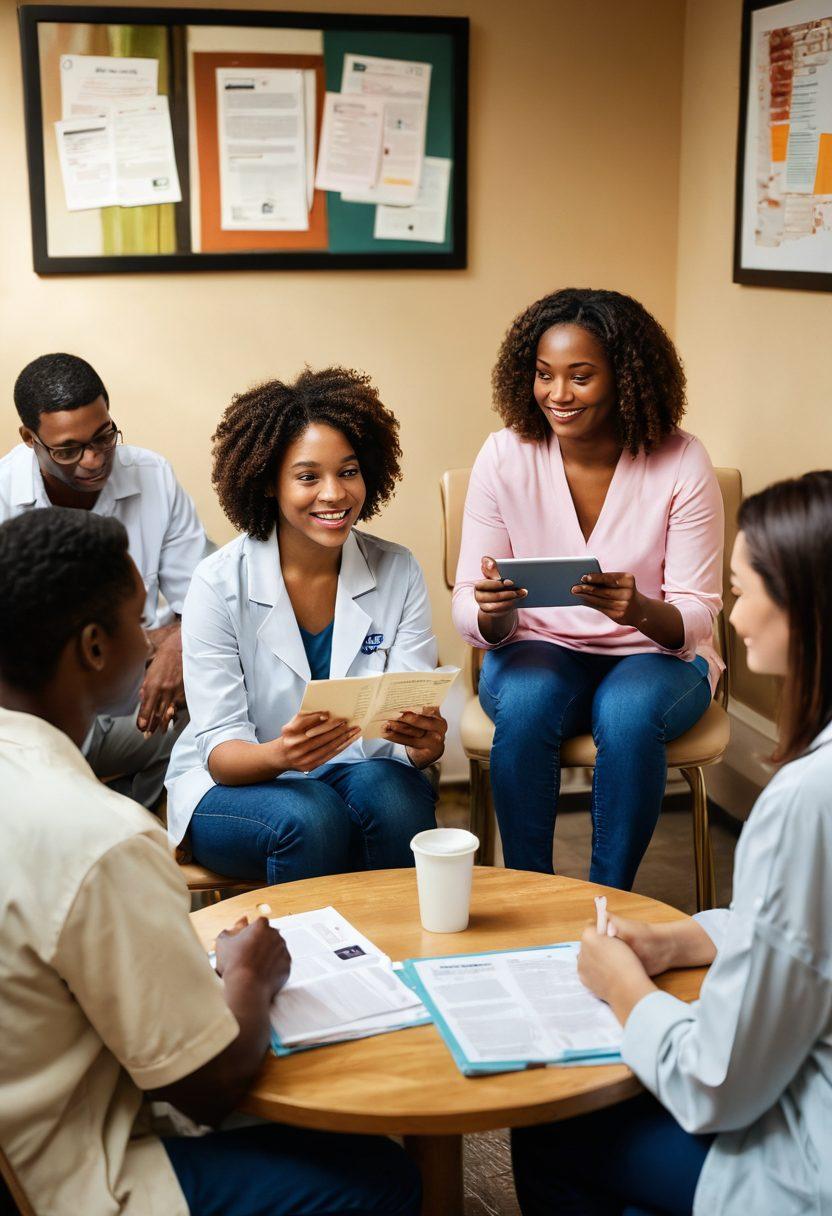
Imagine standing at the crossroads of your health, facing a diagnosis of carcinoma, and feeling a sense of helplessness. This is where the role of patient education becomes crucial. Research shows that individuals who are well-informed about their cancer treatment options—be it therapy, medication, or participating in clinical trials—tend to have better outcomes. But where does one find this information? Health blogs, reputable healthcare websites, and community resources offer a wealth of health information that can illuminate the foggy path of treatment. The question arises: are you ready to take charge of your health by equipping yourself with the knowledge that can foster resilience?
The word 'support' can take on many forms when it comes to cancer care. Emotional support from friends, family, and support networks plays a vital role in the healing process. It’s essential to not only seek encouragement but also to share your own experiences through survivor stories. Stories of hope have the power to uplift others who are facing similar battles. In a world where many fight chronic illnesses, the need for open discussions about mental wellness and palliative care becomes increasingly clear. After all, who can relate better than those who are fighting the same fight?
As we navigate the advancements in medicine, it’s clear that innovation plays a vital role in cancer treatment. From medical equipment that enhances early detection to health technology that monitors side effects management, patients have access to incredible resources that empower them. It's essential to not only stay informed about the latest developments in clinical research but also to consider lifestyle changes that can complement ongoing treatment—like nutrition and integrative health. Have you pondered how these elements could contribute to your overall wellness during the cancer journey?
Advocacy stretches beyond personal experience; it encompasses the call for public awareness regarding cancer detection and prevention. By participating in health education initiatives and supporting campaigns that promote early screening, patients can make a significant impact on their communities. Knowledge is power, and sharing it inspires action. So, ask yourself: how will you advocate for yourself and others in the journey against cancer? Each step counts, and with the right resources and community support, we can pave the way for a more hopeful future in patient care.